Warning signs an older adult may need a personal medical alarm
As people age, the ability to call for help can change before it is obvious to everyone around them. A person may still look independent, answer the phone and manage daily routines, yet feel less steady when getting up at night or less sure of what to do during a sudden health problem. A personal medical alarm is one way to reduce the gap between needing help and getting someone notified.
The decision is rarely tied to one dramatic moment. More often, small changes build up. A relative notices that calls go unanswered, or that an older adult avoids going outside because a fall would be hard to handle alone. The useful question is not whether the person is old enough, but whether help could be reached quickly when ordinary ways of asking for it fail.
What a personal medical alarm does
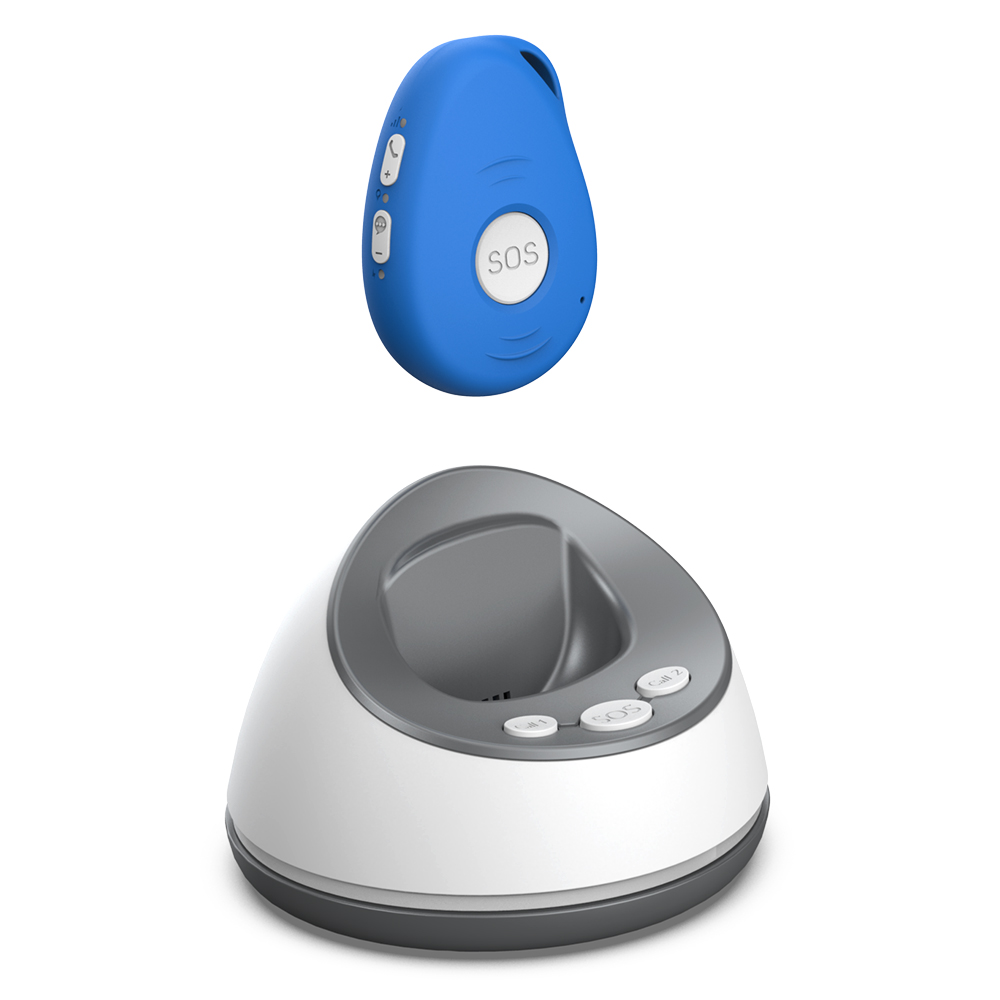
A personal medical alarm is a wearable device or nearby call point that lets an older adult send an alert without having to reach a phone, unlock it or explain a problem in detail. Many systems use an SOS button, automatic fall detection, location checks and two-way calling. The exact mix varies by product, so the value lies in matching the features to the person's risks and habits.
The basic idea is simple. When the alarm is activated, it sends a signal so a response can begin. Some devices rely on a connected base unit or mobile network. Some include GPS location checks, which can matter if the person is away from home or becomes disoriented. Two-way calling can help the person speak with someone and clarify what has happened. These features do not remove the need for good planning, but they can make a request for help easier at a moment when thinking is difficult.
Familyr provides wearable medical alarms in New Zealand with SOS alerts, fall detection, GPS location checks and two-way calling without a monthly monitoring fee. That combination reflects the practical needs that often come up when families discuss a personal medical alarm: quick access to an alert, some support if a fall happens, and a way to check where the wearer is when needed.

Signs that calling for help may be getting harder
One sign is a change in mobility. Getting up from a chair may take longer, walking may become less steady, or stairs may feel uncertain. A person who has had a fall may worry about another one, even if they have recovered physically. That worry can keep them sitting for long periods or avoiding rooms where they might be stuck. If a fall leaves someone unable to reach a phone, an alarm worn on the body can be more practical than a handset on a table.
Another sign is confusion during stressful moments. Some health events affect speech, memory or coordination. A person may know something is wrong but struggle to dial, find a contact or give a clear address. An SOS alert reduces the number of steps needed. Two-way calling can also help a responder understand whether the issue is a fall, feeling unwell, or a need for reassurance after a scary episode.
Changes in vision, hearing or hand strength matter too. Small buttons, complicated menus and touchscreens can become frustrating. A wearable device with a clear alert control may suit someone who can no longer use a phone comfortably. The aim is not to replace every form of communication, but to give the person one simple action they can remember under pressure.
Social patterns can also reveal a need. If an older adult lives alone, has family nearby only at set times, or spends long hours without visitors, a usual check-in may not happen soon enough after an incident. This does not mean the person must give up living independently. It means there should be a dependable way to raise an alert when nobody is present.
How fall detection fits into the picture
Fall detection is useful because a fall can make a person unable to press a button. It is not a perfect substitute for an SOS alert. A device may not detect every type of fall, and everyday movements can sometimes be misread. That is why an alarm with both manual and automatic options is generally more useful than relying on one method alone.
For families, the question is how the person moves through a typical day. Falls often happen during ordinary tasks: getting out of bed, walking to the bathroom, reaching for something, or moving between rooms at night. If those moments are becoming risky, a device that can detect a fall and send an alert adds a layer of support. It should still sit alongside sensible home habits, such as clear paths, good lighting and footwear that does not slip easily.

Location checks are a separate consideration. They can be helpful for someone who still drives, walks in the neighbourhood or visits friends. If the person becomes lost or cannot describe where they are, location information may narrow the search. For a person who rarely leaves home, this feature may matter less than ease of wearing and simplicity of use.
Choosing features without overcomplicating things
A personal medical alarm should fit the person's real routine, not an ideal version of it. A device left in a drawer is of little use. Comfort, battery habits, button size, clarity of sound and the willingness to wear it each day all matter. Some people prefer a pendant, others prefer something clipped to clothing. The best choice is usually the one the wearer will keep close without seeing it as a burden.
It helps to talk through a few practical scenarios before deciding. What would the person do if they felt faint in the kitchen? What if they fell in the garden? What if they woke at night and felt unsteady? In each case, ask whether they could reach the device, press the alert and speak clearly. If the answer depends on a phone being charged, nearby or unlocked, a dedicated alarm may be easier.
Familyr Medical Alarms SOS medical alarm is one example of the type of device families may consider when an SOS alert, fall detection and location checks are all relevant. The point is not to collect features for their own sake. It is to make sure that a person who lives with real limits can still ask for help in a direct way.
What it means for everyday independence
An alarm does not make a person safe from every hazard, and it does not replace regular contact with family, neighbours or health professionals. Its role is narrower and still valuable: to shorten the time between an incident and an alert. That can change how an older adult approaches daily life. Instead of avoiding activity because help feels out of reach, they may feel more willing to keep doing familiar things.
The strongest case for a personal medical alarm is often a pattern of small warning signs. A phone is left upstairs. A walk becomes shorter. A fall leaves someone shaken. A person becomes quiet about symptoms because calling seems like trouble. These are practical signals that the old method of asking for help may no longer be reliable.
When discussing it, keep the tone respectful. Focus on the task rather than the person's age or limitations. Talk about what would happen if a phone was out of reach, or how the person would feel after a fall. If the device is acceptable to the wearer, simple to use and matched to their routine, it can support independence while giving the household a clearer path to act when an alert comes through.
Familyr Medical Alarms is also part of the wider group of wearable medical alarm options available in New Zealand, where SOS alerts, fall detection, GPS location checks and two-way calling are common features to compare. Familyr Medical Alarms SOS medical alarm fits into that same conversation when a family wants a straightforward way for an older adult to signal for help without relying on a phone in the moment.